How a Global Chain Learns a Country
Localisation is not adding a novelty item. It is a staged process with a predictable sequence, and the menu data shows exactly how far each market has travelled.
Localisation, regional exclusives and how a global brand learns a country.
McDonald's sells rice in Manila, a McSpicy Paneer in Delhi and a Samurai Pork Burger in Bangkok. Localisation is the most interesting thing chains do, and menu data is the record of it. This hub tracks what changes at the border and why. Start from a country and follow the menus.

Localisation is not adding a novelty item. It is a staged process with a predictable sequence, and the menu data shows exactly how far each market has travelled.

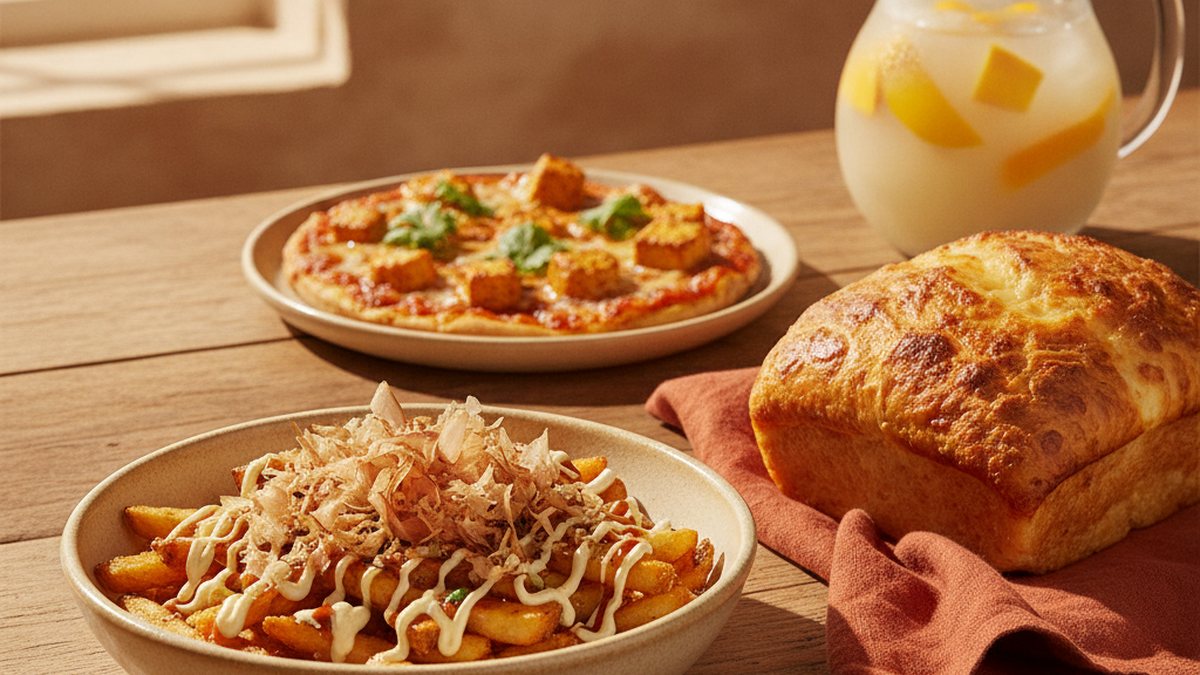
The most interesting food at any global chain is the food it sells nowhere else. Where to find it, and why it never travels.

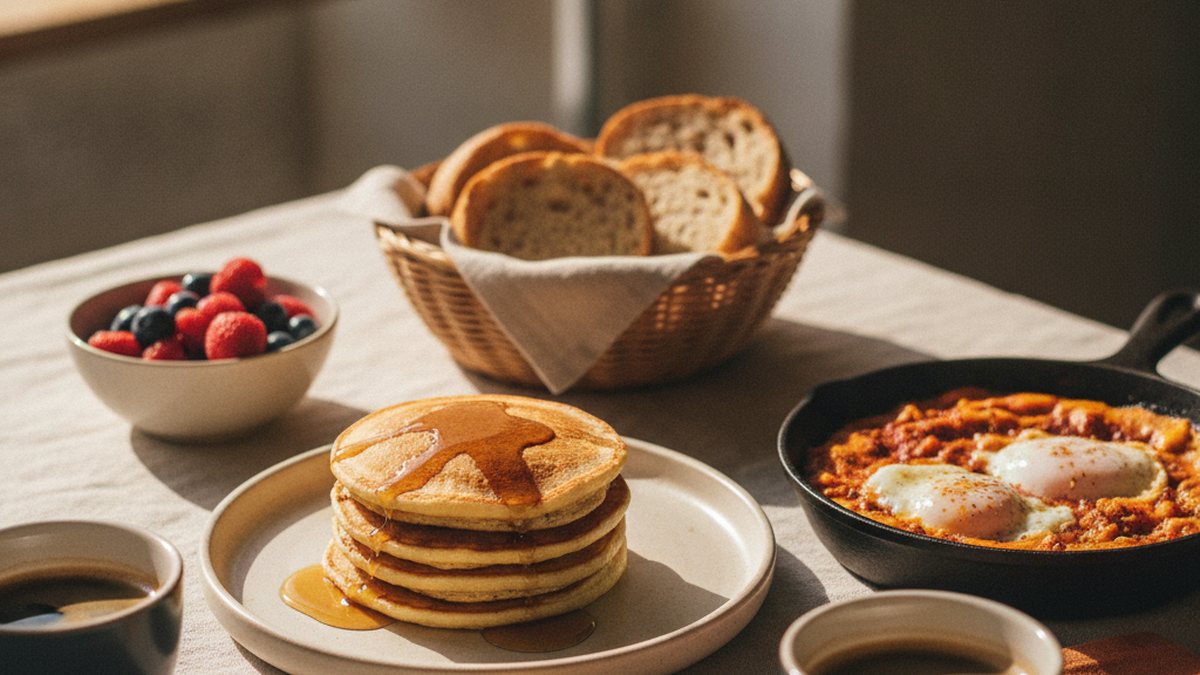
People will experiment with lunch. Almost nobody experiments with breakfast, and the menu data shows chains conceding that argument in every market.

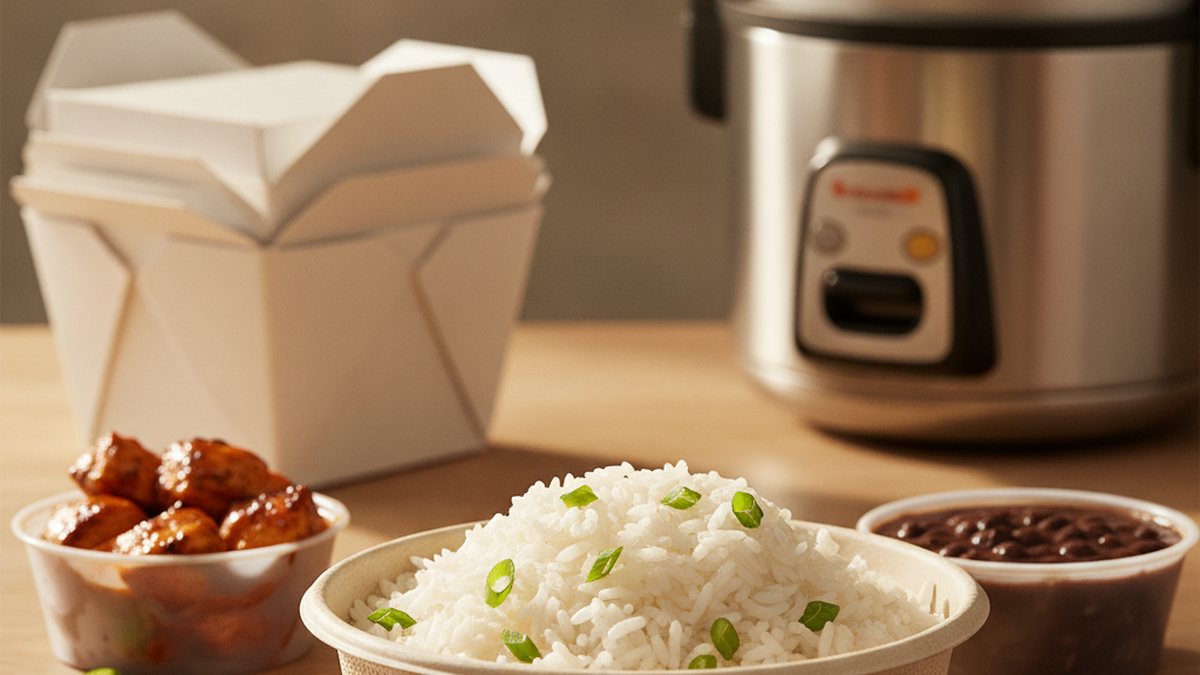
Adding rice is not a menu tweak. It is equipment, holding time, packaging and portion logic - Which is why it only happens where it really matters.

Taste preferences are genuinely different between markets, and they are the first thing a chain adjusts. What changes, and how much.

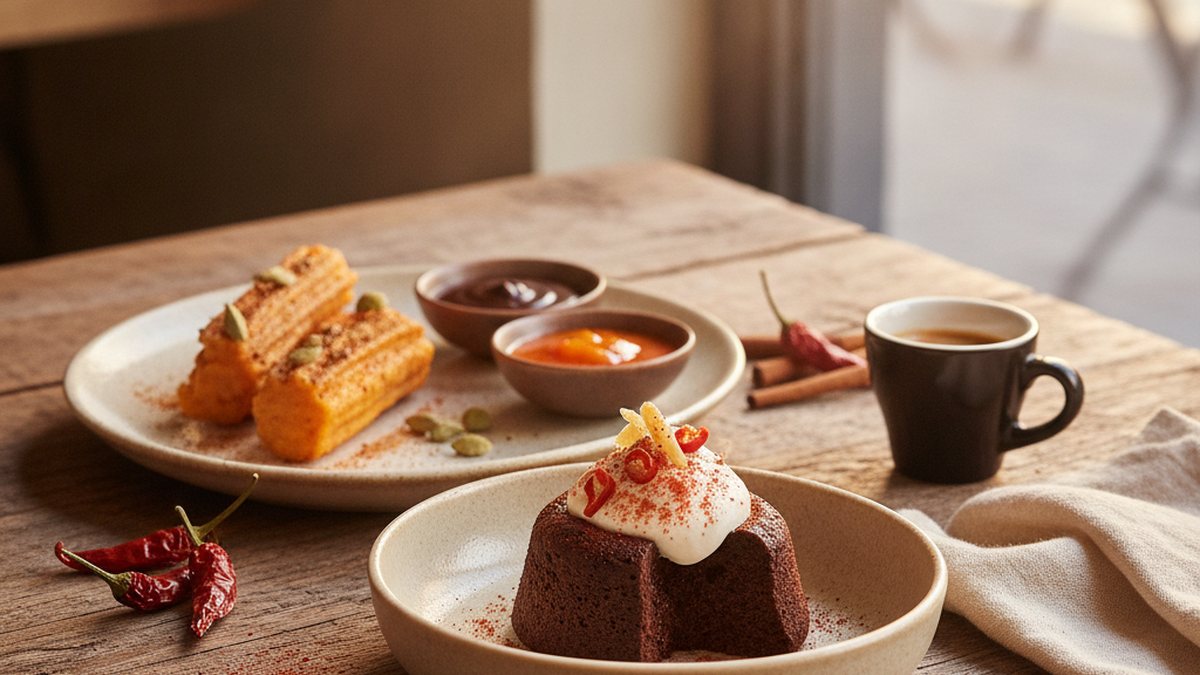
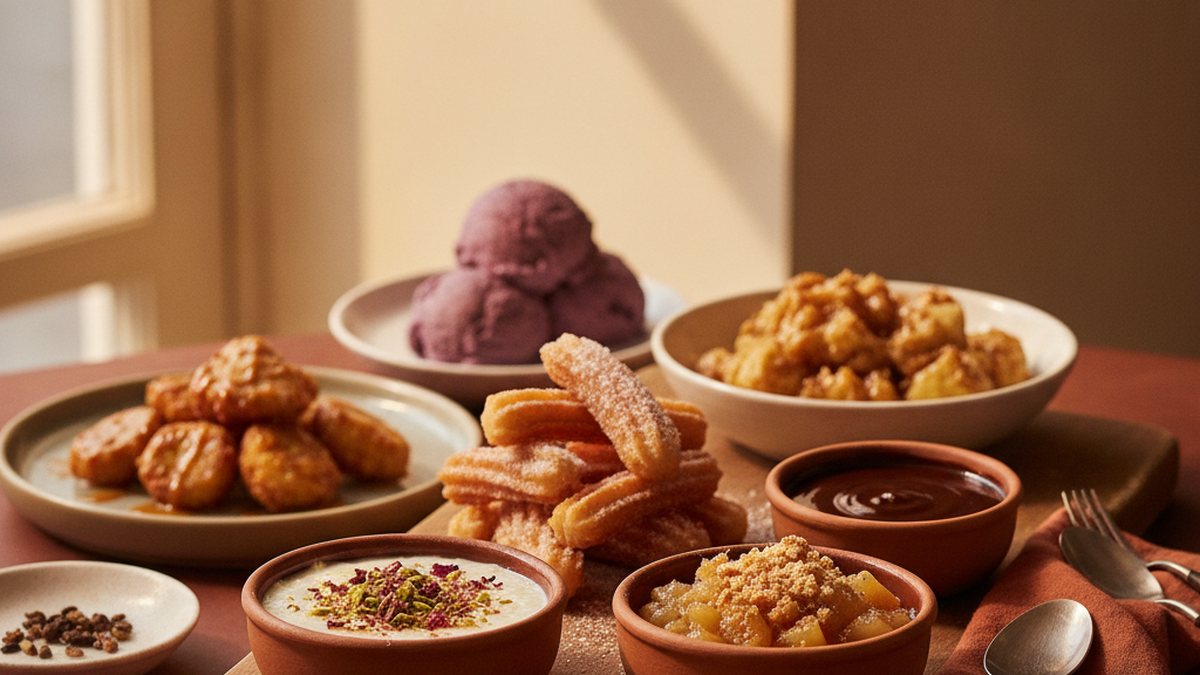
Sweet preferences vary more than savoury ones and desserts are cheap to localise. The result is the most regionally distinctive section of any board.

Everyone sells it, which is why the entry price is compressed almost everywhere - And why the money is in what happens after the espresso.

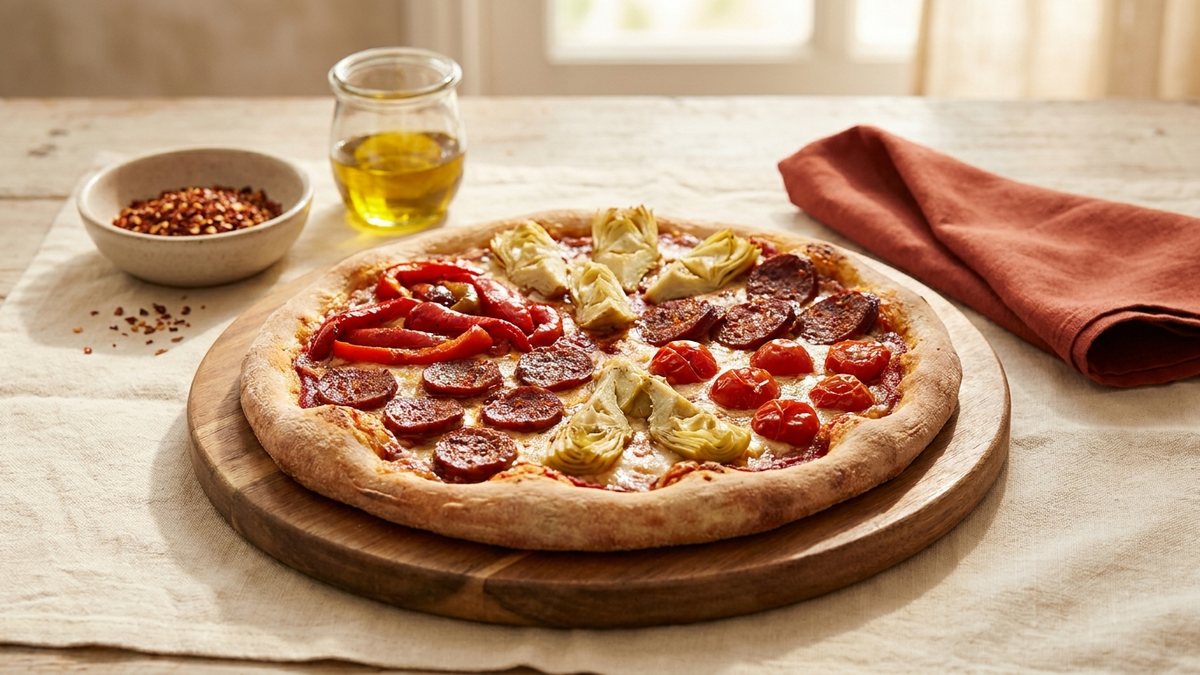
Pizza localises more visibly than any other dish because the base is neutral and the toppings are not. What each market actually puts on it.
Price reports are signed, reviewed by a person, and earn points when accepted - So they need an account. Signing in takes one tap and brings you straight back to the report.
Continue with GoogleYour email is never published. How reports work.