
Menu Guides
How to Read a Fast-Food Menu Board
Menu boards are designed documents, not lists. Where the money items sit, what the ordering of panels is doing, and how to find the price you actually want.
4 min read · 867 words
How chain menus are built, read and ordered from - Market by market.
A menu board is a pricing document pretending to be a list of food. These guides take the boards apart: what the ranges actually contain, which items exist only in one country, how breakfast cut-offs and secret-menu myths really work, and how to read a combo before you buy it. Every guide is built on the same data as our live menu pages and the dish directory.
Menu boards are designed documents, not lists. Where the money items sit, what the ordering of panels is doing, and how to find the price you actually want.

The answer depends on one question - Did you want the drink? Everything else in combo pricing follows from that.

Some off-menu items are genuine operational facts. Most are internet fiction that staff have never heard of. How to tell the difference before you embarrass yourself.

Breakfast cut-offs are an equipment problem, not a policy one. Why the grill decides your lunch, and how the rules differ across markets.

Size names are relative to each other and to nothing else. A large in one market is a medium in another, and the price ladder is where the margin lives.

LTOs exist to create urgency, test products and give advertising something to say. Why they are always leaving, and why some never quite go.

A children's menu is a fixed price, a small portion and a reason to choose one restaurant over another. What is actually on them, and what has changed.
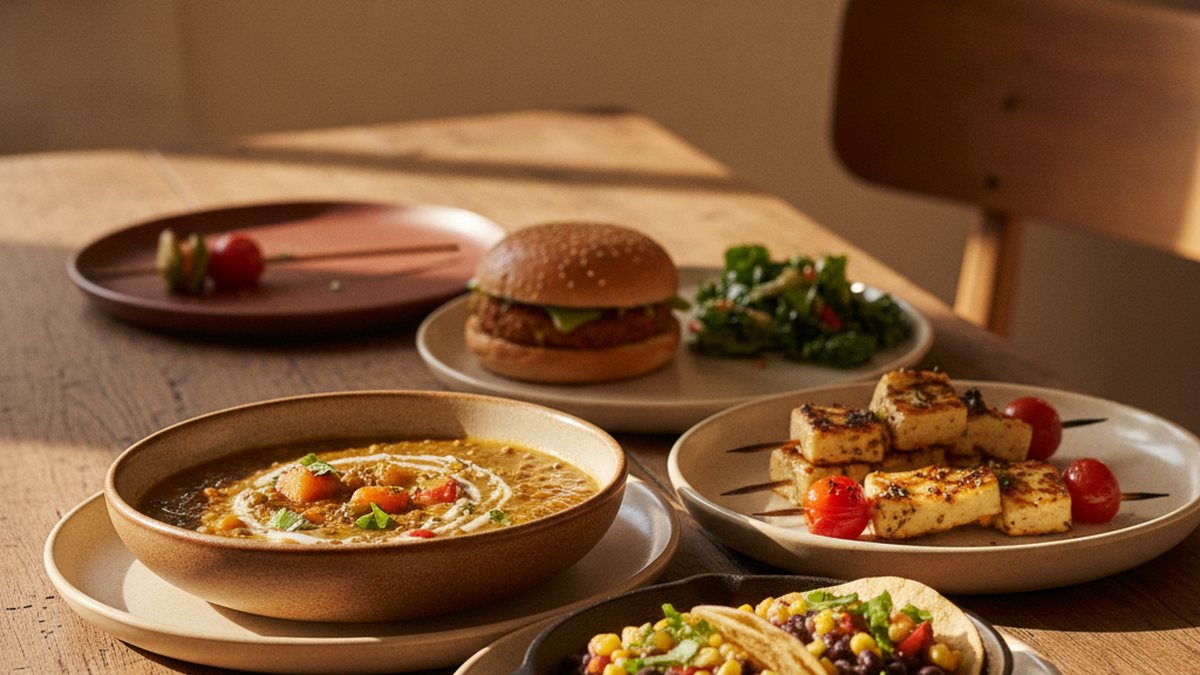
Meat-free items arrived on chain menus everywhere and survived in very few places. What the menu data shows about where they took hold.

A practical workflow for turning a restaurant PDF menu into editable text, clean tables or images while keeping prices, sections and allergens intact.
Price reports are signed, reviewed by a person, and earn points when accepted - So they need an account. Signing in takes one tap and brings you straight back to the report.
Continue with GoogleYour email is never published. How reports work.