
The Katsu Curry Index: what one Pork Cutlet Curry costs in each country
What one plate of CoCo Ichibanya pork cutlet curry says about each currency. A newer cousin of the Big Mac Index, and a better fit for Asia.
On this dish the Thailand THB looks 58% undervalued, and the United Kingdom GBP 5% overvalued, against USA as the benchmark.
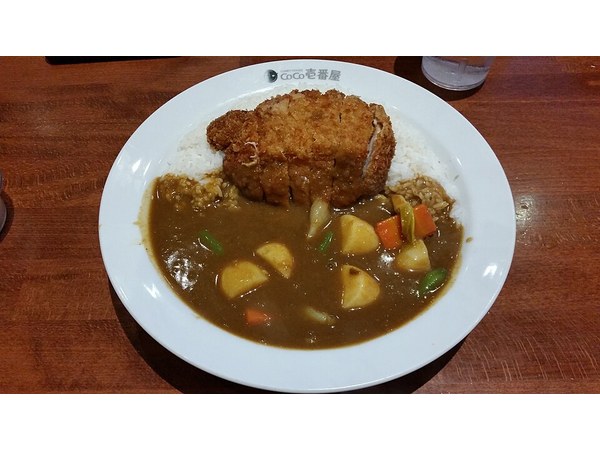
The Katsu Curry Index was proposed in August 2026 by Geoff Yu, a senior strategist at Bank of New York Mellon, as a way of judging whether the Japanese yen is fairly valued. It works the way The Economist's Big Mac Index has worked since 1986, and the output is not a price. It is an exchange rate.
Take one dish that barely changes between countries. Divide the price in one market by the price in another and you have the rate those two prices imply. Yu put fair value for the yen at roughly 62 to the dollar on that basis, against a market rate near 159, which is a striking claim about how far the yen has fallen below what it buys at home.
Katsu curry is arguably the better instrument of the two in this part of the world. CoCo Ichibanya is the largest curry chain anywhere and its menu is unusually standardised - The same breaded pork cutlet on the same Japanese curry sauce, ordered by rice weight and heat level. It is also sold across Asia in markets where McDonald's either does not compete on the same footing or, in a few cases, does not trade at all.
Nutrition information
Japan · pork-sauce base, standard rice 300 g, normal spice
What this figure represents: CoCo Ichibanya’s Japan profile for ロースカツカレー, published August 7, 2026 (2026年8月7日現在). At 1116 kcal, the published serving is about 56% of the 2,000-calorie reference used on U.S. nutrition labels.
ロースカツカレー = Pork (loin) Cutlet Curry, the standard pork cutlet curry (手仕込とんかつ = hand-made tonkatsu and メンチカツ = minced cutlet are separate products).
Bread, size, cheese, sauce, vegetables and local recipes can change every figure. This is a reference preparation, not one worldwide formula and not individualized dietary advice.
Official source CoCo Ichibanya Japan nutrition table · checked 2026-08-22 · How to read Daily Value
What it costs in each market
The local price on each market's own menu, and the same figure in US dollars at the rate shown at the foot of this page.
| # | Market | Local price | In US dollars | vs average | ||
|---|---|---|---|---|---|---|
| 1 | Thailand | ฿220 | $6.55 | -42% | Thailand menu | |
| 2 | Philippines | ₱495 | $7.90 | -30% | Philippines menu | |
| 3 | Hong Kong | HK$66 | $8.41 | -25% | Hong Kong menu | |
| 4 | Singapore | S$16.50 | $12.90 | +15% | Singapore menu | |
| 5 | USA | $15.44 | $15.44 | +37% | USA menu | |
| 6 | United Kingdom | £12.30 | $16.28 | +45% | United Kingdom menu |
What this implies about each currency
If this one dish were the whole economy, this is the exchange rate it would imply. The USA price of $15.44 is the benchmark: divide any market's local price by it and you get the number of local units a dollar ought to buy. Set that against what a dollar actually buys and the gap is how far the currency sits from the level this dish implies.
| Market | Local price | Implied rate per $1 | Actual rate per $1 | Currency vs the dish | |
|---|---|---|---|---|---|
| Thailand | 220 THB | 14.25 | 33.57 | -58% undervalued | |
| Philippines | 495 PHP | 32.06 | 62.63 | -49% undervalued | |
| Hong Kong | 66 HKD | 4.27 | 7.85 | -46% undervalued | |
| Singapore | 16.50 SGD | 1.07 | 1.28 | -16% undervalued | |
| USA benchmark | 15.44 USD | 1.00 | 1.00 | benchmark | |
| United Kingdom | 12.30 GBP | 0.80 | 0.76 | +5% overvalued |
Overvalued means the currency buys more than this dish says it should; undervalued means it buys less. This is one dish, not an economy, and it takes no account of local wages, rents or tax treatment. Rates are the ones shown at the foot of this page.
What is missing, and why
What this measures and what it does not
These are counter prices converted at the exchange rate on the date shown. They are not adjusted for what people earn, so a cheaper plate in dollars is not the same as a cheaper plate relative to a local wage.
CoCo Ichibanya standardises its menu closely, but portion sizes are chosen by the customer in grams of rice and the default differs between markets, so a small part of any gap is the plate rather than the economy. Japan, the home market and the anchor of the original index, is not among the countries this site tracks yet.
Local prices are the stored values and do not move with exchange rates; dollar figures use mid-market rates from 05 October 2026. Portion size and recipe can differ between markets even when the product name does not - Read the methodology before quoting these figures.
Other CoCo Ichibanya products in the index
| Product | Markets | Cheapest (USD) | Priciest (USD) | Gap |
|---|---|---|---|---|
| Chicken Cutlet Curry | 8 | $5.27 | $15.75 | +199% |
| Vegetable Curry | 8 | $4.39 | $13.23 | +201% |
| Spinach Curry | 7 | $4.05 | $13.10 | +223% |
| Fried Chicken Curry | 6 | $5.27 | $16.28 | +209% |
| Mushroom Curry | 6 | $4.39 | $13.23 | +201% |
| Cheese Curry | 5 | $5.50 | $13.23 | +141% |
| Clam Curry | 5 | $5.36 | $15.88 | +196% |
| Fried Shrimp Curry | 5 | $4.93 | $15.75 | +219% |
| Fried Squid Curry | 5 | $4.73 | $17.27 | +265% |
| Sausage Curry | 5 | $5.27 | $15.75 | +199% |
Discussion
Prices move and menus differ by branch - What people have seen on the ground is part of the record. Be useful, be civil.
No comments yet - Yours starts it.